California Air Resources Board tries to balance gas prices, climate goals with upcoming vote | CA Politics 360
Chair Sanchez, thank you so much for making time for us. Thank you, Ashley, for having me into the studio and happy 70th anniversary. Very exciting time for KCRA. Thank you so much. Uh, so, OK, so with this cap and invest vote happening this upcoming week, the oil industry, the business community, they seem to be exhaling with some of the changes that were made. Just, uh, how would you describe those changes to this program and what do you think it’ll do for affordability? Love that question. Um, so *** couple of things we’ve been hard at work since you and I spoke *** few months ago. In January, the staff put forward *** proposal that was largely status quo in this program in terms of the support for industry and utilities, and as you know, when we last spoke, we were getting *** lot of feedback about additional support that was needed. We got feedback from the legislature, from the oil industry, from utilities, from environmental stakeholders, and two common themes really. Uh, needing to deliver on energy affordability given the moment that we’re in and that being such *** top concern for Californians, um, and just the notion of additional support needed for our businesses and our workers, our communities in California, so staff worked on *** revision to that proposal which they made public in April. For more public comment we can get to the feedback we’ve gotten on their changes, but I think it’s helpful to just talk about three big. Changes in the proposal. The first is more electricity bill relief, lower electric bills. We got *** lot of feedback on that being *** pain point for Californians right now. So the revised proposal gives an additional $2 billion to bill credits for Californians when they open their monthly bill, they will see lower over *** year or over, so it’ll end up being $10 billion from here till the end of 2030, so. That’s *** significant amount of funding to help lower those costs and address those concerns. The second big change is the additional support to the industry. You mentioned the oil industry, but we also have cement, steel producers, food processors in California. So we’re proposing an additional $4800 million in compliance support to help keep costs down and to ensure no additional pass-through costs to Californians, being really mindful of costs of this program. And then the third, which I’m really excited about, is an expansion of what we call the manufacturing decarbonization incentive, that is essentially *** new fund that will help businesses in California invest in their facilities to drive down pollution. Think about making upgrades to their facilities or switching out fuels again. Another instrument of compliance support that will help to address support supporting businesses maintaining their work here in California and frankly helping us achieve our climate goals. And where’s that money coming from, the 800 million? So the 800 million, I’m glad you’ve asked this because all of the funding is essentially us divvying up *** pie. So in making those three big changes we have essentially increased the amount of allowances that are going to utilities, lowering bills, increased the amount of allowances going to industry. That means *** commensurate decrease in the amount of revenue going to the greenhouse gas reduction Fund, the state-owned auction allowances, and that is something we’ve been getting. *** lot of feedback on in terms of the April proposal both from stakeholders that benefit from that funding and from members of the legislature. There have been two loud voices on this, and I’m going to start with the oil industry just because we’re in this moment where there is *** lot of uncertainty around our supply. Should the war in Iran persist, the Strait of Hormuz stay closed. Um, I mean, is this proposal *** band-aid between now and 2030 because the oil industry is saying that some of these changes are, are fine for now, but four years later they don’t really know what the future looks like for them in the state. Yeah, and I, I appreciate that concern. I think there’s ***, *** couple of things to highlight. The proposal does offer that short term relief that we heard from industry is needed. You mentioned the start of formulas obviously the. Global energy disruption that is happening but also federal tariffs, immigration issues. I mean we are in *** moment of economic uncertainty and that’s why we really need to take time to figure out what beyond post 2030 those numbers should be, that amount of support. We know that we need to offer that short term relief while working on the longer term solutions, and I’ll tell you I appreciate from the oil industry, frankly, that sounds to me like their long term commitment to this program. They want to know what those numbers are beyond 2030, and we’re committed to working with them and with all of our stakeholders, with members of the legislature to figure out the right amount of support going forward. The leader of the California Energy Commission has said that the state needs to protect its current refiners. I mean, is CARB involved in those conversations? Is that something that you’re also committed to? We are actively involved in those conversations. I spoke to that leader earlier today. In fact, we have deep, um, collaboration across our agencies. And frankly with state and local, with local governments as well, we know that we need, we are in this moment of mid-transition. We know that we need to ensure that Californians have access to reliable and affordable transportation fuel supplies while we continue to work towards carbon neutrality by 2045. So CB is absolutely at that table and making sure That we are balancing, keeping those refineries in state operational, making sure that fuel supply is in state while not losing our North Star of carbon neutrality. But so the cap and invest changes, I mean, would I mean it still incentivizes imported fuel, which was *** concern flagged in recent hearings just given again this geopolitical moment that we’re in. And the, I mean, the, the lack of competition or, or the competition that is created between the refiners in state and then those companies that are bringing in that fuel, the companies who are refining here feel like they get the short end of the stick if these other companies are able to bring it in from. Places like Asia, India, South America, yeah, no, Ashley, I’m so glad you’ve raised that. So that is something that, as you point out, has been raised recently and is *** phenomenon that’s changing that increased amount of imports. That again is why I think the staff need to take some time, look at all of that data, the cost comparison. Um, and think about what beyond 2030 that support needs to look like again, that’s how we kind of bifurcated additional near term support is needed for *** long list of rationale and looking at additional analysis, what the cost of those barrels are coming from India, Singapore, what have you, and think about again. Protecting businesses in California and their workers and just it it it’s confusing. I mean, is cap and invest meant to help with greenhouse gas emissions or local air quality in the state? Yes, it is. I’m glad you’ve raised this because when I think about the statutory direction to carb was to reduce greenhouse gas emissions. That is the primary goal of the program, but we were also directed to minimize leakage, which is essentially businesses leaving the state. To think about cost effectiveness of regulations and when the legislature passed the bill last year, they added an emphasis on affordability. So what the staff proposal is really trying to strike *** balance between all of those goals, knowing that we cannot reduce greenhouse gas emissions at *** cost to consumers that is extraordinarily high or *** cost to businesses that forces them to leave the state. But with the demand on oil and gas and this type of fuel, I mean, is having fuel refined and produced in Asia. Uh, in South America, in places where there is not California strict standards in air quality and labor and environmental regulations on those groups and then bringing it over on tankers, I mean, is that helpful to the global greenhouse gas emissions in this world? Yeah, well, I think that is the issues you are raising is exactly why the staff thought that. Compliance support was needed here in the near term beyond status quo, um, and you know I really look forward to the board’s consideration of those amendments next week, but that nearer term, the near term pain that you’re speaking to because of the global disruption, um, I think the staff proposal addresses. How would you respond to on the other side environmental groups who are upset that. This could be, I mean this could be several steps back for California’s climate goals. Yes, I would say *** few things. California remains committed. I personally remain committed to our climate goals. They’re in statute. We have ambitious goals for 2030 and 2045, some of the most ambitious in the country, if not the world, and something that’s really important to me as chair is making sure that we are. on track to achieve those goals while ensuring affordability and cost effectiveness of our regulations and being really mindful of some of the concerns that have been raised. So what I’ve said to the environmental groups is that we are aligned with our 2030 targets. Moving forward with this program is incredibly important in this moment when climate policy is at *** crossroads with all of the. Attacks that we are facing on our programs, but moving forward with this, really our signature climate policy that is one of the most cost effective tools we have to achieve those targets, it’s one of the most important things the board will do this year. You’ve taken the helm at *** really hard time and with this big task of trying to figure out this cap and bust situation. This, you, I mean you were prompted by the legislature last year to do it. This was *** last minute deal essentially that the legislature and governor struck to try to send *** market signal to try to re up cap and invest and extend it until 2045, but should they have taken. *** beat on this is now the right time to be doing this? Yeah, well, I’ll leave questions of legislative timing to the legislature, but I would point out that there have been 3 governors that have worked with 3 different legislators over the last 15 years on this program. Governor Schwarzenegger, Governor Brown, and Governor Newsom all signed bills establishing and extending the. And invest program with super majorities in the legislature. I view that and the program has enjoyed support from the business community, from labor, from environmental groups. It has delivered over $35 billion in investments in our communities, over $16 billion in utility bill credits. I mean this program is delivering, and I think that’s why the legislature has continued to act on it. And has entrusted CARB to strike the balance that the staff have been working on over the course of the last few months, last few years with all of our stakeholders. So I’ll leave the question of legislative timing. I will just say I, I am in this role with *** lot of gratitude for our legislative partners and our stakeholders that have been raising issues like the one you mentioned on imports of gasoline. Or utility bills. I mean, the proposal that is coming to the board next year has been next week has been informed by over *** dozen letters from the legislature, conversations that I’ve had with members that my board members have been having with stakeholders. I’m feeling very confident about this proposal landing in *** good place. Can I also ask about timing because we’ve spoken to every candidate running for governor, at least the top 8. Candidates in this race and every single one, no matter the political spectrum has said that there will be some reassessment of either one or all of California’s climate goals. Is, is that fair to you? Well, I’ll leave, uh, every governor comes into this office, uh, to run the 4th largest economy in the world with their own set of priorities. So I will, I will leave that to them. I would just say to them and their team that, uh, my board really looks. Forward to partnering with them on how to achieve *** really thoughtful balance between climate affordability and timing issues and concerns that you have raised. And then I would mention this program, but more broadly our climate agenda has enjoyed bipartisan support for decades. The governor often points out that it was *** Republican governor that established the Air Board and *** Republican president that enacted the Clean Air Act, Clean. Clean air, clean energy, and climate make sense for Californians, and this isn’t *** plea to *** future gubernatorial candidate, but rather just *** long track record of success and *** commitment to keep delivering for Californians and protecting their public health. Would you hope to be in this position? Would you still be chair depending on who the next governor is? I’m very focused on our big vote next week again, *** big vote in front of the board. Um, and as I mentioned, I’ve been speaking with, with board members, with stakeholders, with members of the legislature. I actually just got back from, uh, an annual summit with our transit colleagues who are very invested in this program as well. So I’m working hard to make sure that next week goes well and beyond that we’ll have to see. And then, so the steps with next week’s vote in terms of you there may or may not be approved, and then, and then what happens if, if these rules are approved. The board. If approved by the board, these rules go into effect on September 1st, but it’s really important to know that the work doesn’t stop next week. The staff will immediately start essentially more analysis and data and rulemaking on some of the issues you’ve raised. What, what does the allowance support look like beyond post 2030? There are *** number of other statutory pieces of direction from last year regarding offsets. We need to evaluate whether or not to link our market with Washington. Um, so there are *** number, I, I should mention this program has come to the board 8 different times. It is iterated on. It is amended. We try to strike *** careful balance between all of the goals that I’ve outlined, but again, the work doesn’t stop after next week’s board meeting. We will stay at it. Is there anything else you think we should know before the vote next week? Just that this is *** pivotal moment in time for climate policy in California and beyond, and I think we can send an important signal to the rest of the country about climate action and economic growth going hand in hand, but also being mindful of these affordability concerns that have been raised, and the staff proposal strikes *** careful balance that I look forward to the board considering next week. Chair Sanchez, I really appreciate your time. Thank you so much. Thank you, Ashley, for having me.
California Air Resources Board tries to balance gas prices, climate goals with upcoming vote | CA Politics 360

The California Air Resources Board on Thursday is set to vote on updates to a key clean air program known as “cap and invest” as the state tries to balance its environmental goals and affordability. The program is part of the state’s broader goals to cut greenhouse gas emissions and reach carbon neutrality by 2045. “Cap and invest” specifically requires companies that emit carbon into the air to either limit their emissions, buy allowances to emit, or fund state infrastructure and climate projects. The money collected through this program is being divvied out like “one big pie,” said CARB Chair Lauren Sanchez in an interview on California Politics 360. An original draft of the proposed updates came under fire earlier this year, which significantly limited the amount of allowances oil refiners and other businesses could buy. Oil industry leaders warned the industry would collapse in the state. After receiving loads of public comment, CARB staff make changes to allow for more allowances than originally planned until 2030. Other changes Sanchez mentioned include using another $10 billion of program funds to help lower the cost of utility bills across the state. Another $800 million would help other businesses comply with the updates. Those businesses could include the cement and steel industries as well as food processors. When asked if the proposed updates are a band-aid to the larger problem around the state’s oil and gas supply and uncertainty around the industry’s future beyond 2030, Sanchez said she appreciates the concern. “We are in a moment of economic uncertainty and that’s why we really need to take time to figure out beyond 2030 those numbers should be, that amount of support,” Sanchez said.As state lawmakers and the vice chairman of the California Energy Commission say in-state oil refiners need to be protected, Sanchez said she is collaborating with him and other state and local agencies on the issue. She noted CARB is working to minimize businesses leaving the state. When pressed about how the changes still favor companies that import fuel from other countries, Sanchez acknowledged the geopolitical challenge facing the state as the war in Iran persists. “The near-term pain that you’re speaking to I think the staff proposal addresses,” Sanchez said. When asked about the frustration from environmental groups who feel like the updates backtrack on the state’s climate goals, Sanchez said CARB – and she personally – remains committed to those goals. “We have ambitious goals for 2030 and 2045, some of the most ambitious in the country if not the world and something that is very important to me is making sure we’re on track to achieve those goals while ensuring affordability and cost effectiveness,” she said. Sanchez noted that moving forward with the updates to cap and invest is key to the state’s environmental goals. CARB was directed by the state Legislature and governor last year to reauthorize and update the program. It was a last-minute decision in the final days of the state’s legislative session. When asked if now the right time is to do this, if state lawmakers and the governor should have taken more time, Sanchez deferred to the state leaders. “This program is delivering and that’s why the legislature has continued to act on it,” Sanchez said. All of the top candidates running for governor have said they would reassess at least one or all of California’s climate goals. “My board really looks forward to partnering with them on how to achieve a really thoughtful balance between climate, affordability and timing issues and concerns,” Sanchez said. KCRA 3 Political Director Ashley Zavala reports in-depth coverage of top California politics and policy issues. She is also the host of “California Politics 360.” Get informed each Sunday at 8:30 a.m. on KCRA 3.
The California Air Resources Board on Thursday is set to vote on updates to a key clean air program known as “cap and invest” as the state tries to balance its environmental goals and affordability.
The program is part of the state’s broader goals to cut greenhouse gas emissions and reach carbon neutrality by 2045. “Cap and invest” specifically requires companies that emit carbon into the air to either limit their emissions, buy allowances to emit, or fund state infrastructure and climate projects.
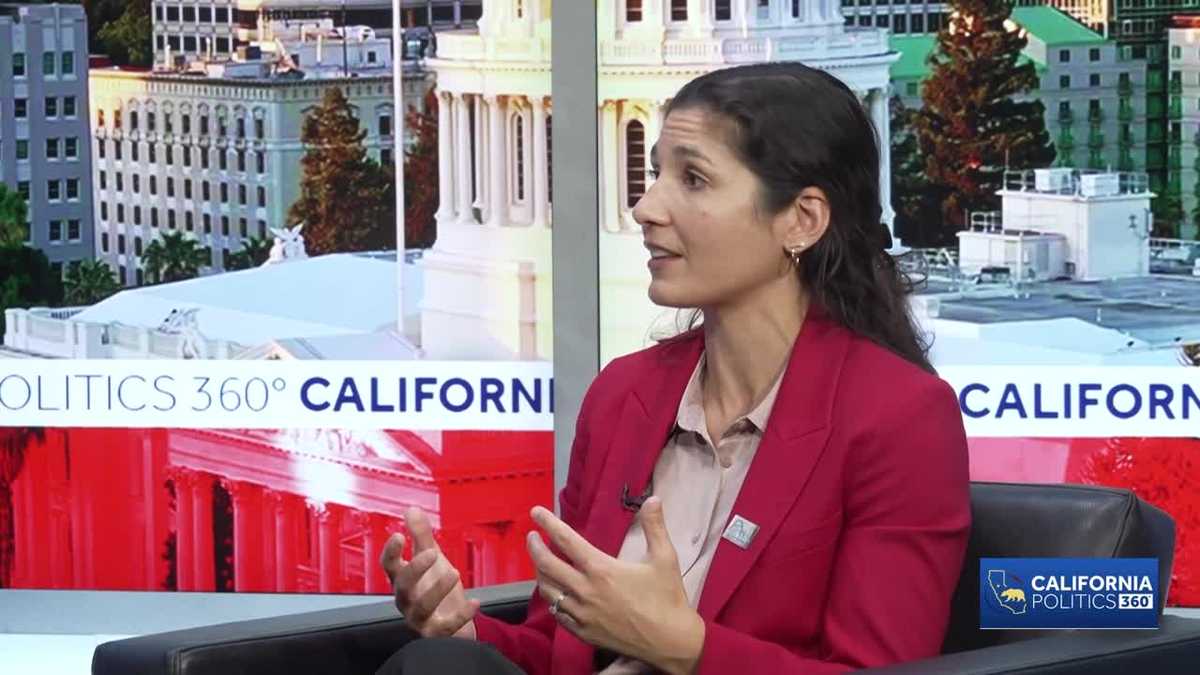
The money collected through this program is being divvied out like “one big pie,” said CARB Chair Lauren Sanchez in an interview on California Politics 360.
An original draft of the proposed updates came under fire earlier this year, which significantly limited the amount of allowances oil refiners and other businesses could buy. Oil industry leaders warned the industry would collapse in the state.
After receiving loads of public comment, CARB staff make changes to allow for more allowances than originally planned until 2030. Other changes Sanchez mentioned include using another $10 billion of program funds to help lower the cost of utility bills across the state. Another $800 million would help other businesses comply with the updates. Those businesses could include the cement and steel industries as well as food processors.
When asked if the proposed updates are a band-aid to the larger problem around the state’s oil and gas supply and uncertainty around the industry’s future beyond 2030, Sanchez said she appreciates the concern.
“We are in a moment of economic uncertainty and that’s why we really need to take time to figure out beyond 2030 those numbers should be, that amount of support,” Sanchez said.
As state lawmakers and the vice chairman of the California Energy Commission say in-state oil refiners need to be protected, Sanchez said she is collaborating with him and other state and local agencies on the issue.
She noted CARB is working to minimize businesses leaving the state. When pressed about how the changes still favor companies that import fuel from other countries, Sanchez acknowledged the geopolitical challenge facing the state as the war in Iran persists.
“The near-term pain that you’re speaking to I think the staff proposal addresses,” Sanchez said.
When asked about the frustration from environmental groups who feel like the updates backtrack on the state’s climate goals, Sanchez said CARB – and she personally – remains committed to those goals.
“We have ambitious goals for 2030 and 2045, some of the most ambitious in the country if not the world and something that is very important to me is making sure we’re on track to achieve those goals while ensuring affordability and cost effectiveness,” she said.
Sanchez noted that moving forward with the updates to cap and invest is key to the state’s environmental goals.
CARB was directed by the state Legislature and governor last year to reauthorize and update the program. It was a last-minute decision in the final days of the state’s legislative session.
When asked if now the right time is to do this, if state lawmakers and the governor should have taken more time, Sanchez deferred to the state leaders.
“This program is delivering and that’s why the legislature has continued to act on it,” Sanchez said.
All of the top candidates running for governor have said they would reassess at least one or all of California’s climate goals.
“My board really looks forward to partnering with them on how to achieve a really thoughtful balance between climate, affordability and timing issues and concerns,” Sanchez said.
KCRA 3 Political Director Ashley Zavala reports in-depth coverage of top California politics and policy issues. She is also the host of “California Politics 360.” Get informed each Sunday at 8:30 a.m. on KCRA 3.