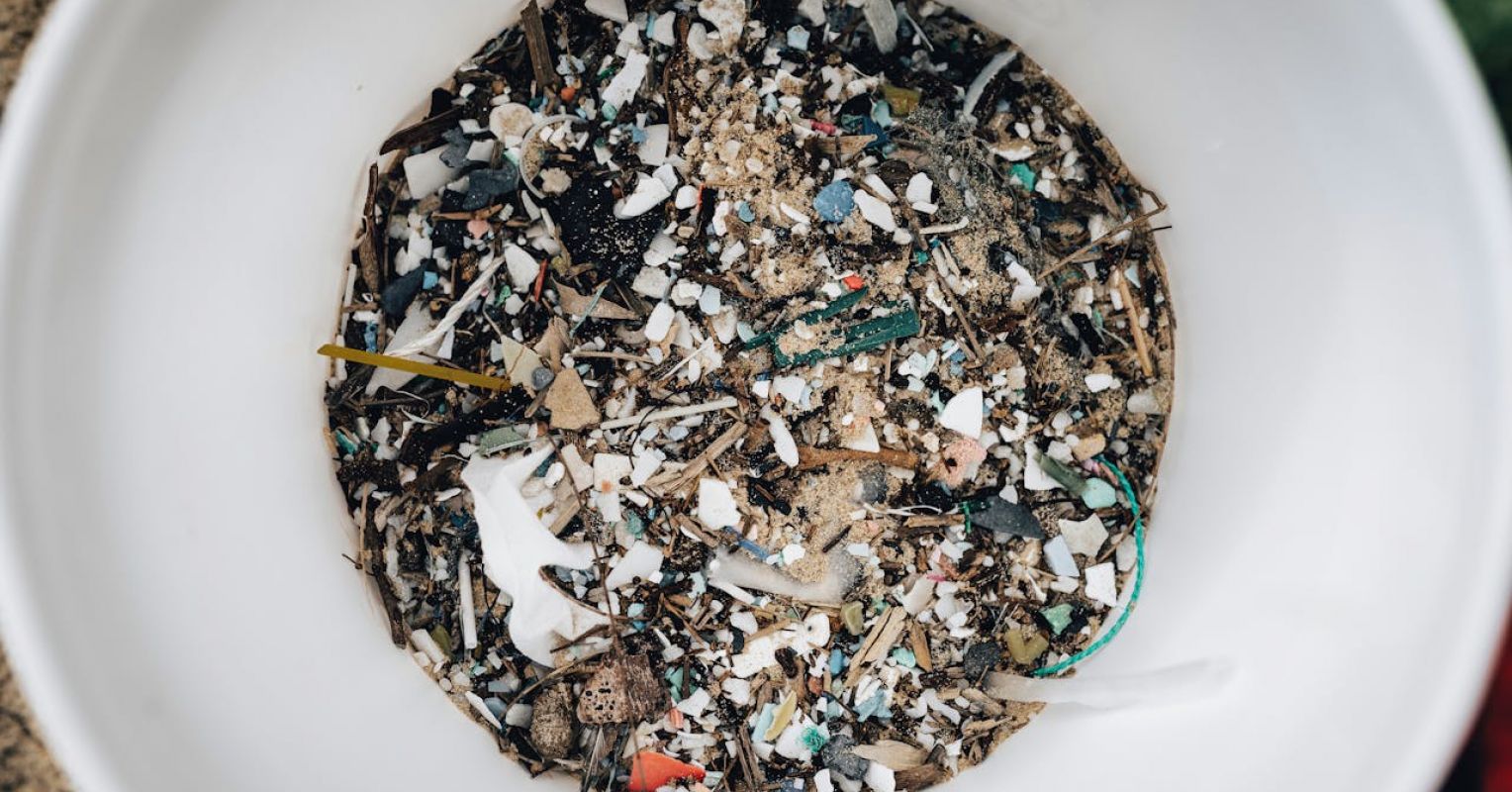
You’ve probably heard that microplastics are everywhere. They’re in the ocean, in the air, in your food, and in your water. But here’s something that might hit closer to home. They’re also inside your body and new research suggests they may be interfering with your sexual health.
This is a rapidly growing area of research and it’s raising serious questions about what everyday exposure to microplastics is doing to our sexual health. In this post, I will take a look at how microplastics can affect men’s sexual health. In the next post, we will examine how they may be affecting women’s sexual health.
What Are Microplastics?
Microplastics are tiny pieces of plastic, less than 5 millimeters in size, and often they are much smaller than that. They break off from plastic bottles, food packaging, and countless other products we use every day. They are even in our clothes. We inhale them, swallow them in food and water, and absorb them through our skin.
Once inside the body, they don’t just pass through. Studies have confirmed that microplastics accumulate in human organs, including the testicles.
A 2024 study found microplastics in 100% of human testicles they examined. This is important because the testes are where testosterone is produced.
What Happens When Microplastics Reach the Testes?
Testosterone is produced by specialized cells called Leydig cells. You can think of these cells as tiny testosterone factories. When microplastics infiltrate the testes, they interfere with these cells in several ways:
They decrease testosterone production. A 2022 study found that mice exposed to microplastics for six months showed reduced levels of testosterone.
They trigger oxidative stress. Microplastics generate harmful free radicals that damage the mitochondria, which are the energy generators in our cells. A 2024 study found that chronic microplastic exposure reduces testosterone by damaging mitochondria and inducing the death of Leydig cells.
They accelerate cellular aging. Even microplastics marketed as “biodegradable” cause harm. A study published last month found decreases in serum testosterone levels in mice along with prematurely aged Leydig cells that were exposed to “biodegradable” microplastics.
They carry chemical hitchhikers. Microplastics are coated with or made from endocrine-disrupting chemicals (EDCs) like BPA and phthalates. A recent review showed that microplastics act as carriers for EDCs, and being exposed to both increases reproductive toxicity.
Can They Cause Low Libido or Erectile Dysfunction?
The short answer: yes.
Testosterone is the primary driver of male libido. When testosterone levels fall, for any reason, our sex drive typically falls with it. But the effects of low testosterone aren’t just physical. Low testosterone influences nearly every aspect of how a man feels day to day.
The vascular connection is equally important. Erections depend on healthy blood vessels and blood flow. The microplastics damage the inner lining of blood vessels and impair the production of nitric oxide, which is the molecule that causes blood vessels to enlarge. As a 2022 review showed, microplastics can disrupt signaling pathways that are critical to vascular and reproductive function. No nitric oxide signal, no erection. By the way, this is the same pathway that drugs like sildenafil (Viagra) target.
Inflammation adds another layer. Microplastics cause chronic low-grade inflammation wherever they accumulate. A study published last year found that microplastics cause inflammation and cell death throughout the male reproductive system. Inflammation is a risk factor for both low testosterone and erectile dysfunction.
And then there’s the brain. Testosterone also affects the brain’s dopamine system. This is the reward and motivation system that leads to sexual desire. Low testosterone reduces dopamine signaling, which not only lowers physical libido, but also the psychological drive and anticipation that are equally part of healthy sexual function.
What the Research Can and Can’t Tell Us
Thus far, most of the studies exploring the effects of microplastics on male sexual health have been done in mice, often at concentrations that are higher than humans are typically exposed to. We don’t yet have large-scale human clinical trials directly linking microplastics to testosterone deficits or erectile dysfunction.
But the pieces are starting to fit together in a disturbing way. Microplastics have been confirmed in human testicles and testosterone levels have been declining in men for decades. A 2021 study found a consistent decline in testosterone levels among adolescent and young adult men in the U.S. and a 2020 study confirmed the same downward trend continuing into the 2010s.
This decline correlates with the rise of plastic production and pollution. None of this proves plastics are responsible for declining sexual health. But it’s enough to be concerning.
How Do Microplastics Affect Sperm?
A 2024 Chinese study detected microplastics in semen and urine of men and found clear associations with impaired sperm quality. Animal research has shown that chronic microplastic exposure reduces testosterone levels, damages sperm DNA, and disrupts the hormonal signaling needed for normal sperm production. A 2025 study found that continuous ingestion of plastic particles from water bottles led to hormonal imbalances and abnormal sperm production across an animal’s lifetime.
The global sperm count has dropped 62% between 1973 and 2018. No single cause explains that, but the timeline of rising plastic production matches that decline.
What Can You Do?
You can’t avoid microplastics entirely, but you can reduce your exposure. Here’s what you can do:
- Avoid heating food in plastic containers. Heat accelerates leaching of plastic particles and chemicals.
- Filter your drinking water with a high-quality filter (reverse osmosis removes microplastics).
- Choose glass, stainless steel, or ceramic over plastic for storing foods and drinks.
- Reduce your consumption of ultra-processed foods. Heavily packaged foods contain more microplastics.
- Support your antioxidant defenses by changing your diet (e.g. eat colorful vegetables, omega-3s, etc.) to help counter oxidative stress.
- Replace products containing plastics like shampoo, deodorant, toothpaste, plastic hair brushes, plastic cutting boards, etc.
The bottom line is that the plastic pollution crisis isn’t just an environmental issue. It’s becoming a personal health issue, with real implications for hormonal balance, sexual health, and reproductive functioning. The good news is you can do something about it—and now is the time to start.