May is Mental Health Awareness Month, and a Missoula nonprofit is expanding its services to help meet children’s growing need for mental health support.
Friends of the Children in Missoula is building on its mentorship program by adding an in-house paid therapist amid increasing demand for services.
Ben Davis, executive director of Friends of the Children, said the need is significant in Missoula and across Montana.
“More than 30% of middle schoolers in Missoula describe themselves as being chronically depressed, and Montana has the second highest rate of children who have faced adverse childhood experiences in the country,” Davis said.
The program pairs children with a paid professional mentor, called a “Friend,” who makes a 12-year commitment to each child and family. The goal is to help children build stability, confidence and reach their full potential.
“We’ve had children tell their Friends that they’re the best thing that’s ever happened to them,” Davis said. “When they go out on outings, they’ve said it was the best day of their life.”
Kelsey Adcock, the organization’s lead therapist, said the mentors often become trusted figures for children, families and teachers.
“If they’re having a hard day, that’s the person the teachers think of,” Adcock said. “That’s the person the kids, the families, everybody thinks of — ‘Hey, let’s call their Friend. Let’s see if they know what’s going on.’”
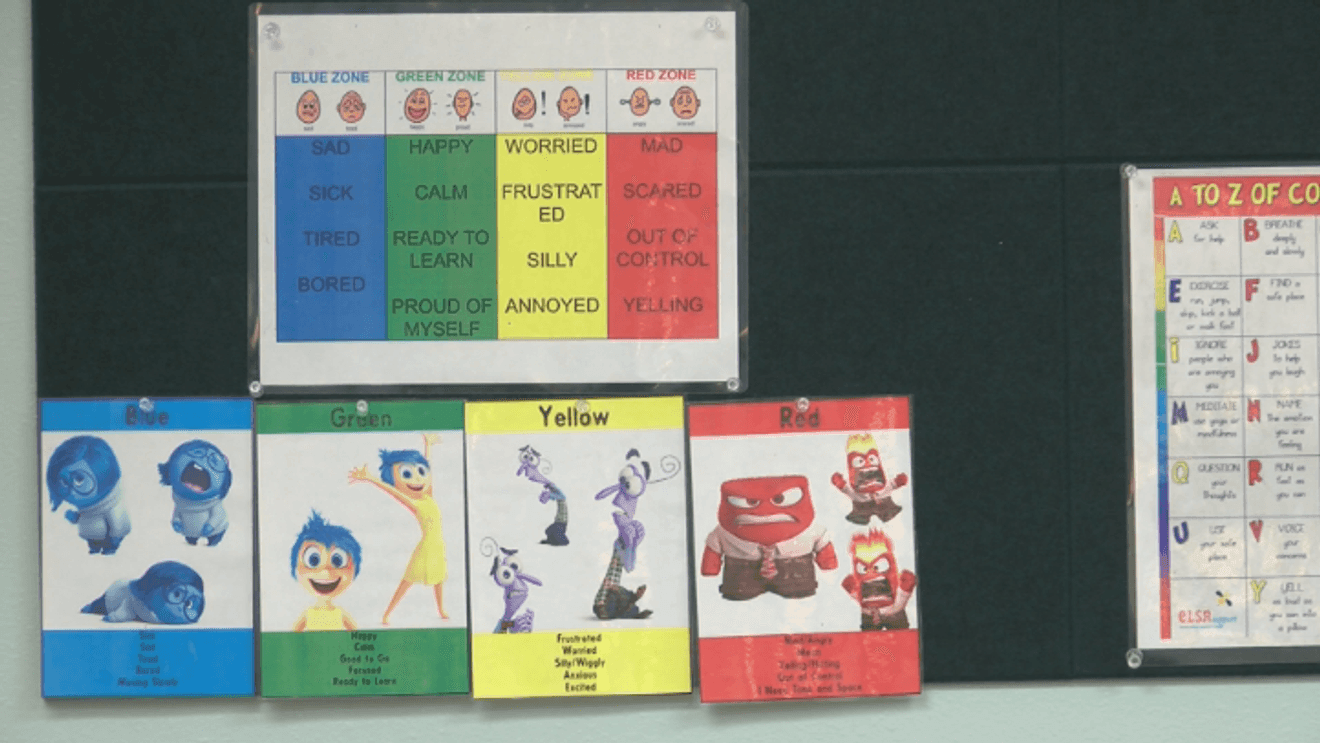
Children ages 4 to 18 can now attend one-on-one and group therapy sessions through the program. Adcock said sessions may include learning coping skills, talking through healthier ways to handle emotions and practicing those skills through activities.
Adcock works with mentors and parents to assess each child’s needs. She said offering therapy in a familiar environment can make it easier for children to open up.
“This is an environment for the kids and their families where they feel comfortable and they feel safe,” Adcock said. “That takes some barriers away and helps them feel more open to doing therapy here.”
Adcock said therapy with younger children is often play-based, while work with older teens focuses more on identity and building on the skills they already have.