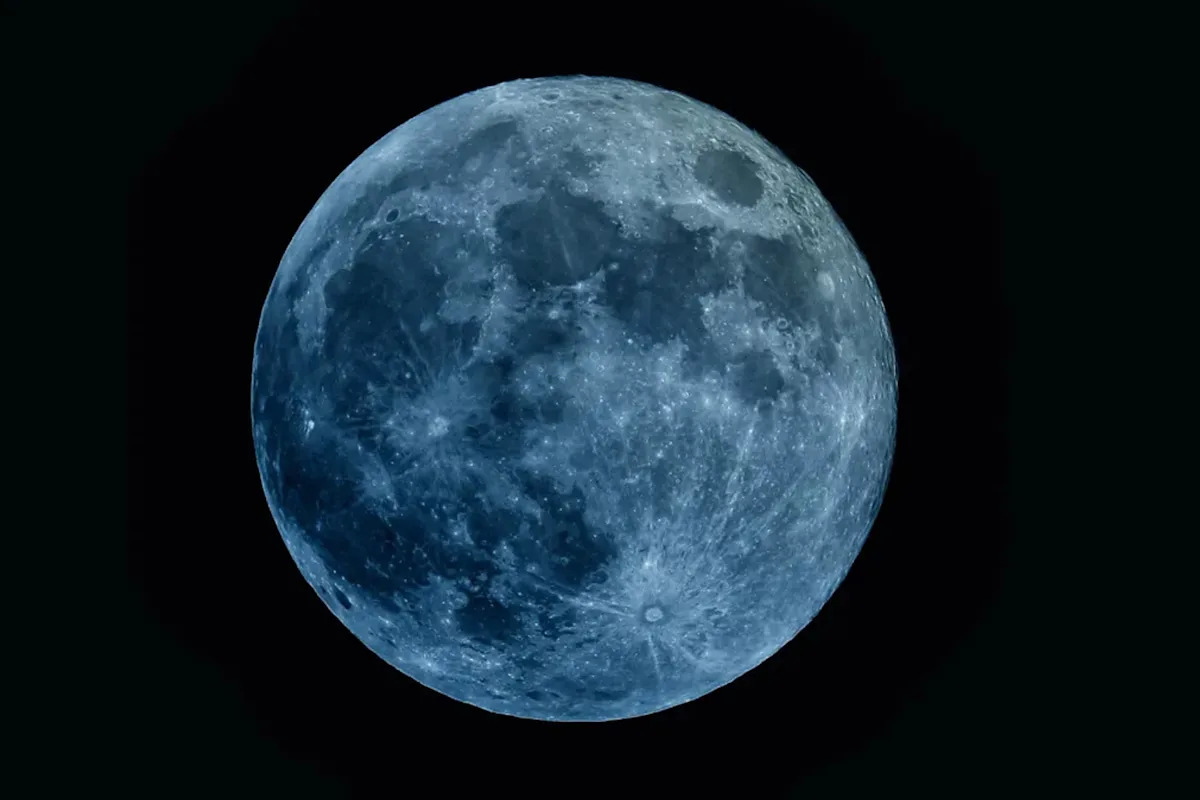
A rare full moon is set to grace Aussie skies later this week, and it’s something that only happens every two to three years.
The Blue Moon will reach a peak on Sunday, May 31 at 6:30pm AEST, but weather and expected cloud coverage could restrict visibility for millions of people.
The first full moon, known as the Flower Moon, was seen on May 2, and some cities were shrouded in cloud for that one as well.
Yahoo Lifestyle has compiled the weather forecast for Aussie capitals so you can work out your chances for the upcoming Blue Moon.
RELATED:
When is the best time to see the next full moon?
Those in Sydney, Melbourne, Brisbane and Canberra will have the best chance to see the moon at 6:30pm.
Whereas those in Adelaide and Darwin are encouraged to glance up at the sky at 6pm local time.
Aussies in Perth should visit an open space earlier at 4:30pm local time for the best viewing opportunity.
Do you have a story to share? Contact au.lifestyle.ent@yahooinc.com

Aussies can look into the sky from about 6pm to check out the blue moon.
Will Aussies get to see the Blue Moon?
Here’s the forecast for Aussie capital cities for May 31, according to the Bureau of Meteorology.
-
Sydney: It’s expected to be clear on Sunday night with no rain and will be 16 degrees.
-
Melbourne: A shower or two is expected, with high cloud at 52 per cent.
-
Brisbane: Clear skies on Sunday evening with only 4 per cent cloud coverage and a top of 17 degrees at 6pm.
-
Perth: A shower or two expected with high cloud coverage at 73 per cent.
-
Adelaide: A shower or two with 50 per cent cloud coverage from 6pm.
-
Darwin: Clear conditions expected with only 9 per cent cloud coverage.
-
Hobart: A shower or two with a top of 6 degrees and 53 per cent cloud coverage from 6pm.
-
Canberra: Mostly clear and 6 degrees at 6pm with 44 per cent cloud coverage.
Why is a Blue Moon rare?
A Blue Moon tends to occur every two to three years, or seven times over 19 years, according to the Royal Museums Greenwich.
Despite the name, the moon won’t actually look blue; it will appear its usual gray or white.
There are two names given to Blue Moons: monthly and seasonal, according to Time and Date.
A monthly Blue Moon is when there are two full moons in one month. A seasonal Blue Moon is the third full moon of an astronomical season that has four full moons.
The origin of the name is also shrouded in a bit of mystery.
One theory suggests that the phrase “blue moon,” meaning something rare, originated after volcanic eruptions filled the atmosphere with smoke and ash, causing the Moon to appear blue.
Another explanation traces the expression back more than 400 years: folklorist Philip Hiscock proposed that referring to a Blue Moon once implied that something was ridiculous or impossible.
The next time there will be two blue moons in one year will be in 2037.
Want the latest lifestyle and entertainment news? Make sure to follow us on Facebook, Instagram, and TikTok.