Rural Medical Services has opened its seventh location in White Pine and launched a pilot program, “TennSteps,” to help expectant mothers.
WHITE PINE, Tenn. — One in seven Americans utilizes a Federally Qualified Community Health Center for their necessary healthcare services, according to the medical director for Rural Medical Services, which provides care for East Tennesseans in Cocke and Jefferson counties.
Dr. Larry Mathers said the clinics help reduce barriers to care that some patients in rural communities face, and earlier in May, RMS opened its seventh FQCH clinic in White Pine.

“In rural areas, a lot of patients have difficulty accessing care because of a lack of insurance or lack of finances,” he said. “Practices like ours are set up to help people gain access to a broad spectrum of primary care services. We’re able to provide quality healthcare at very low cost, and help people live healthier lives close to home.”
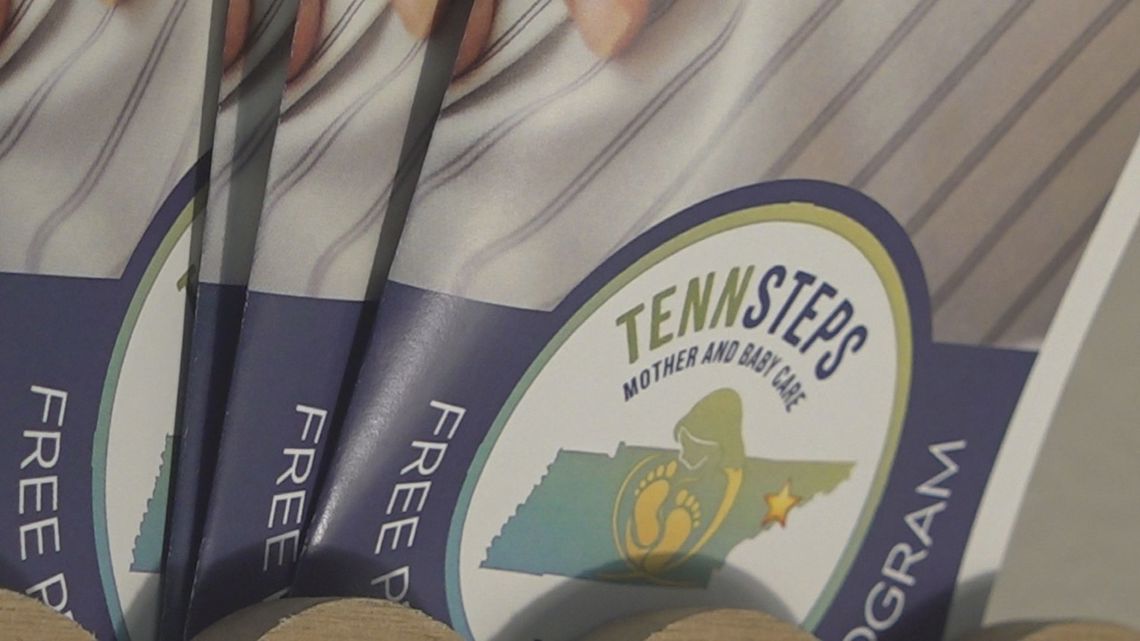
The location expansion isn’t the only development the center has had this year, either. In January, they launched a comprehensive maternal and early childhood care-management program, “TennSteps.” The program aims to bridge gaps in communities facing provider shortages, transportation barriers, and the impacts of Hurricane Helene.
“We have nurses and dedicated case managers who regularly contact patients, ask them how things are going, identify any problems they may be having with their pregnancy, serve as an extra means of communication with the physicians and the practice, and also serve to offer them services throughout the pregnancy to help them have a healthier pregnancy and a healthy baby,” Mathers said.
At the White Pine location, Jessie Holder manages the clinic and is a Licensed Practical Nurse Care Coordinator. She said Rural Medical is hosting the pilot for the program after receiving a state grant of $3 million over three years.
“Tennessee has some of the highest morbidity rates for pregnant women,” she said. “Most of the cause of that is because they either can’t get to the hospital, they are medically illiterate, or they just can’t afford the care. And we just help them with other barriers to care. So, if they don’t have transportation, we get them to their appointments on time so that they come to all of them. We make sure that they’re getting food, are able to get their medications, are able to pay their rent, and pay their electricity bills. If they need baby clothes, baby food, formula or anything like that.”
She said since January, they’ve had 77 enrollments. Holder said that showcases the need in the community.
“A lot of these women just don’t have support. They don’t have a good home life. They don’t have that social stability,” Holder said. “We live in a very poverty-stricken area, so they might not have that familial help. They just like to have someone to talk to, honestly, they just send us messages and tell us good news. And they also have a place to reach out if they have a problem.”
Holder said they started the program with three workers and are already looking to expand. She said they’ll need one to two additional people on staff.
“Because the volume is just so high, we’re seeing so many pregnant women at this point, because there are no other offices local to the area. They don’t have MDs in Morristown anymore, and in Sevier County, it’s limited,” she said.
So far, TennSteps has had five graduates of the program through healthy births. Holder said they continue to follow those families for three years, ensuring the children receive necessary vaccinations and attend well visit checkups.