Lawmakers ended $1.2 million in funding for Friends of the Boundary Waters Wilderness, after Republicans argued the group was engaged in activism against mining.
SAINT PAUL, Minn. — During the final week of the legislative session this month, state lawmakers ended $1.2 million in funding for a Friends of the Boundary Waters Wilderness program that sponsors educational trips for kids after Republicans criticized the nonprofit as overly political in its opposition to mining.
Although Friends of the Boundary Waters found alternative sources of money to continue the program this summer, the organization views the GOP-led move as retribution for their stance on mining in northern Minnesota.
“These are five-day trips that are impactful,” Friends of the Boundary Waters communications director Pete Marshall said. “For many, they’re life-changing trips, and now that funding is gone.”
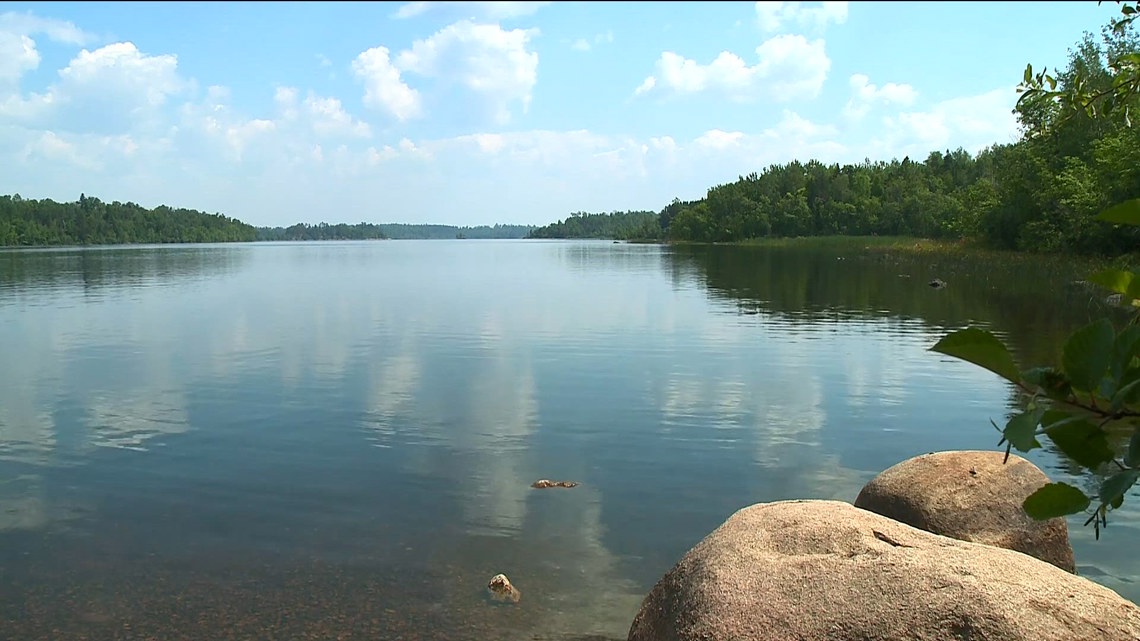
Friends of the Boundary Waters Wilderness has been on the frontlines of the fight against copper-sulfide mining near the Boundary Waters, lobbying heavily against the law signed by President Trump last month that reversed a Biden-era mining ban in the Superior National Forest. At the same time, the group also runs the “No Boundaries to the Boundary Waters” program, an educational initiative that brings curriculum to classrooms and has helped thousands of kids take canoe trips in the Boundary Waters over the years.
Funding for the “No Boundaries” program in Fiscal Year 2027 was included on a list of recommendations this year by the Legislative-Citizen Commission on Minnesota Resources (LCCMR). The funding source came from the Environment and Natural Resources Trust Fund (ENRTF).
However, GOP Senator Keri Heintzman brought an amendment to the Senate floor on May 11 seeking to remove the Friends of the Boundary Waters funding from a broader environmental bill, saying “most of what they do is political.” Heintzman and other Republicans specifically pointed to a now-deleted social media post, in which Friends of the Boundary Waters used the LCCMR logo in a clip advocating against mining.
“What has come to light regarding Friends of the Boundary Waters Wilderness,” Heintzman said, “when they created and disseminated a call-to-action video that boasted of support from the ENRTF, raises serious questions about how public trust was violated and how funds intended for conservation purposes were instead diverted to partisan advocacy efforts designed to shut down economic development in northern Minnesota.”
GOP Senator Robert Farnsworth said the social media clip was “revealing their true colors that they are a political organization.”
Friends of the Boundary Waters Wilderness has acknowledged that using a state logo was a mistake, but the nonprofit says it keeps advocacy work separate from educational programs.
“The arguments that were made on the Senate floor were, frankly, false,” Pete Marshall said. “This is not a program that teaches kids to be for or against mining, it’s a program that teaches kids about the wonder that is the Boundary Waters.”
Although Republicans led the effort to remove the funding, Heintzman needed at least one bipartisan vote in the DFL-led Senate to pass her amendment. Ultimately, her amendment was successful after DFL Senator John Hoffman crossed party lines to support canceling the money, while several other DFL members from moderate districts — Sen. Grant Hauschild, Sen. Heather Gustafson, Sen. Judy Seeberger and Sen. Nick Frentz — abstained from voting altogether.
During negotiations with the tied House, the money was again left out of the final Environment and Natural Resources Trust Fund finance bill that Gov. Walz signed on May 18.
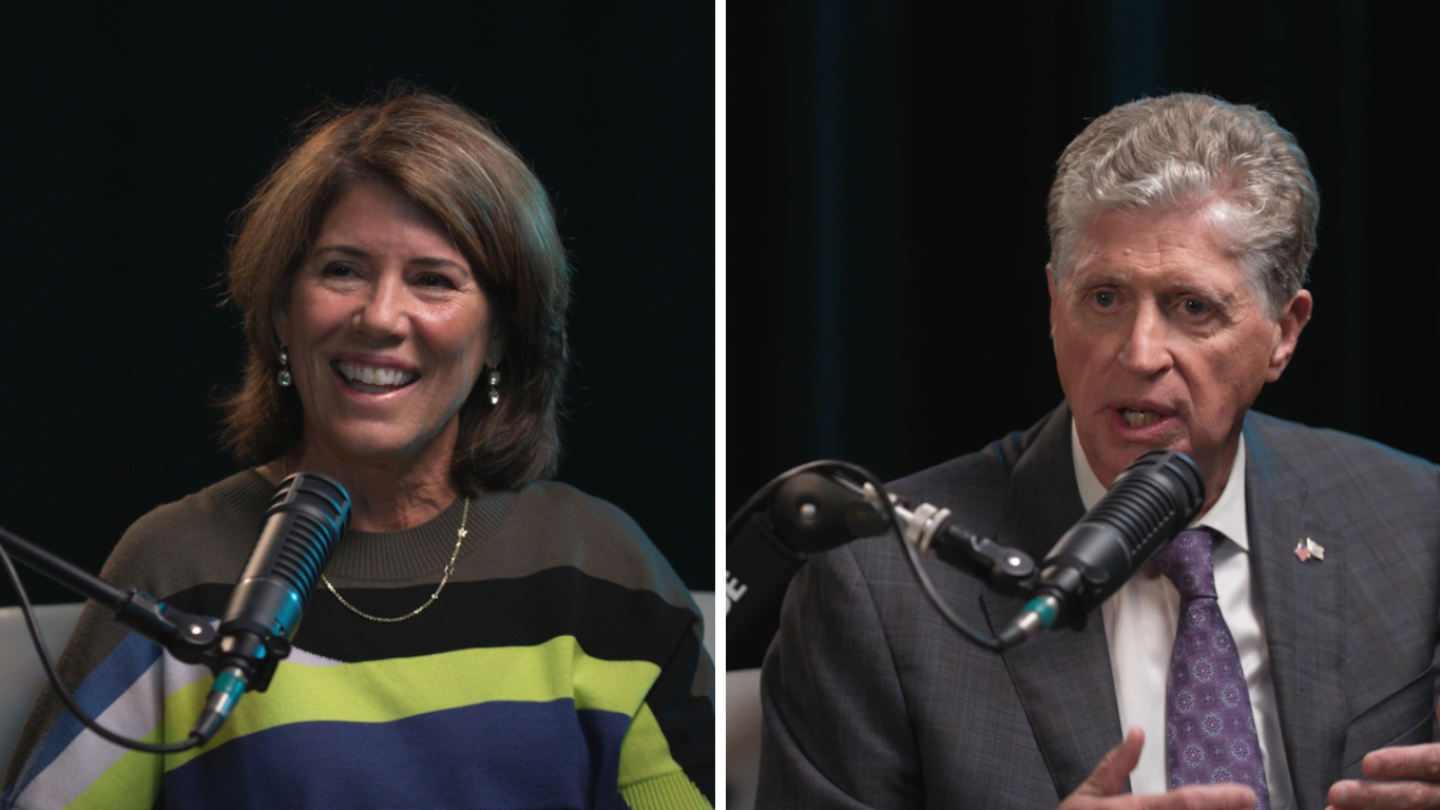
DFL Sen. Steve Cwodzinski, a Boundary Waters enthusiast, was a strong ‘no’ vote on the amendment to remove the educational funding. During an interview for this weekend’s “KARE 11 On the Record,” he described that decision by his Senate colleagues as “my regret of the session.”
“It seems like we could make the point that why some kids are suffering today is they just don’t get enough fresh air and hug a tree and sit in a canoe and just go out in wilderness,” Cwodzinski said. “I really feel bad that Republicans took that provision out… because we need to get kids outside.”
After patching together funding for this summer, Friends of the Boundary Waters Wilderness is hopeful the “No Boundaries” trips can continue in future years with the help of private donations. The organization says a separate Friends of the Boundary Waters program to improve access for northern Minnesota kids has remained intact.
Elsewhere in that environmental bill, the legislature also allocated $1 million to the Department of Natural Resources for a program that helps people with physical disabilities experience the Boundary Waters.