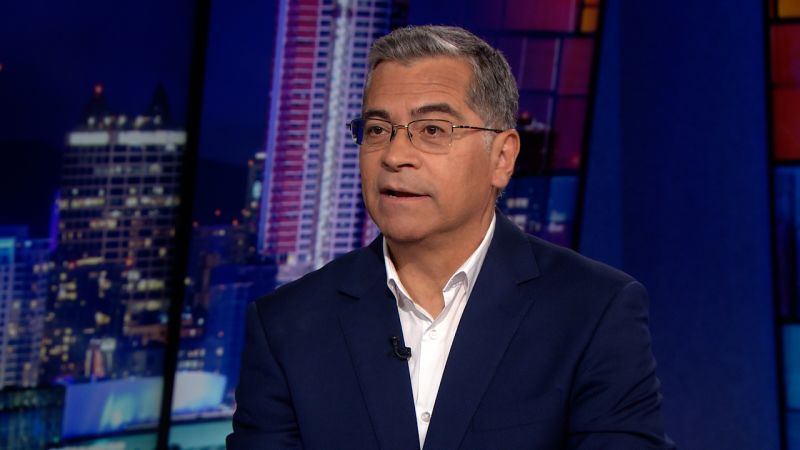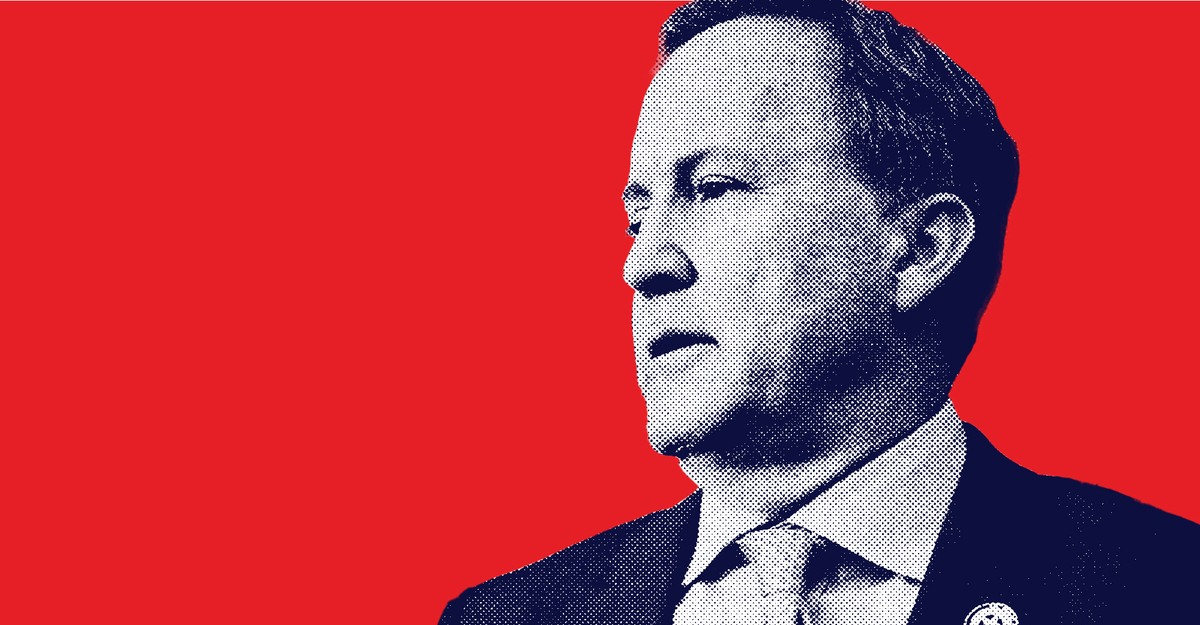
DETROIT – Former Detroit Mayor Mike Duggan has ended his independent bid for Michigan governor, reshaping the 2026 race into a traditional two-party contest and leaving analysts questioning whether any viable independent candidacy remains possible in the state.
Duggan announced his decision Thursday (May 21) on his campaign website before holding a news conference at Huntington Place in downtown Detroit.
The longtime mayor was the first major candidate to enter the race after leaving City Hall.
Duggan cited weakening poll numbers and fundraising difficulties as the reasons he could no longer continue.
“We’ve been looking at these numbers every way that we are,” Duggan said. “We’re saying, ‘Is there a path to win?’ And the truth of the matter is, when you’re down 11 points, and you’re down in the fundraising, the path is not realistic.”
Duggan said he could not continue asking supporters to invest in a campaign he no longer believed could succeed.
“We said, ‘Can we in good conscience go to our volunteers, our donors, and say, double down on what you’ve done?’” Duggan said. “And in our own minds, we didn’t feel confident there was a path.”
A crowded field remains
His exit narrows the field in a race expected to be among the most closely watched in the country.
Democrats still in the running include Jocelyn Benson and Chris Swanson.
Republicans in the race include John James, Aric Nesbitt, Mike Cox, and businessman Perry Johnson.
Michigan voters will head to the polls for the state’s Aug. 4 primary.
Analysts point to partisan headwinds
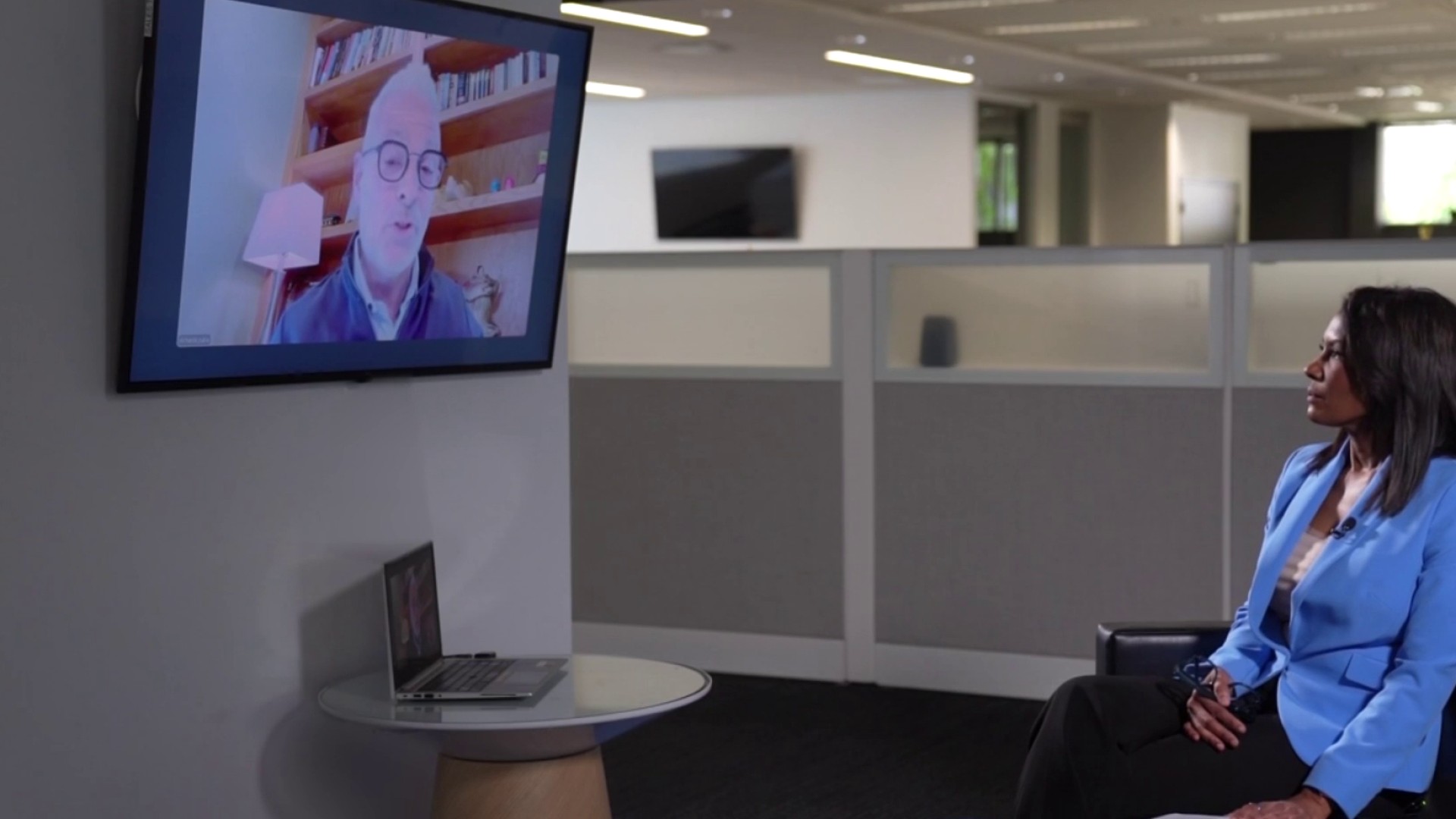
Political analyst Richard Czuba, founder of the Glengariff Group, said Duggan faced an uphill battle from the start because of his independent status.
“I think Mike Duggan had the hardest path to begin with of any of the candidates running for governor,” Czuba said. “Voters have never seen an independent; they’ve never voted for an independent for governor.”
Czuba said Duggan initially benefited from strong name recognition and early voter interest, but the race increasingly shifted into a partisan contest shaped by national politics and reactions to President Donald Trump.
“As this became a referendum increasingly on Donald Trump, which we knew it would because midterms are a referendum on the incumbent presidency, voters went back to their corners,” Czuba said.
He said that shift pushed voters toward their traditional party alignments, leaving little space for an independent candidate.
“There is no place really in the conversation for a middle ground,” Czuba said.
Czuba added that independent voters have shown movement toward Democratic candidates over time, driven in part by concerns about economic conditions, including gas prices and broader costs.
Watch the full interview between Kimberly Gill and Czuba below
Copyright 2026 by WDIV ClickOnDetroit – All rights reserved.