Atlanta World Cup match faces Ebola safety protocols
The Democratic Republic of Congo soccer team is isolating in a training bubble ahead of its tournament match in Atlanta as international authorities implement strict 21-day travel bans and airport screenings to contain an Ebola outbreak, according to officials.
ATLANTA – The Democratic Republic of Congo national soccer team is coordinating with FIFA and U.S. officials to travel safely to its upcoming World Cup matches amid strict federal travel restrictions prompted by an Ebola outbreak.
World Cup health protocols
What we know:
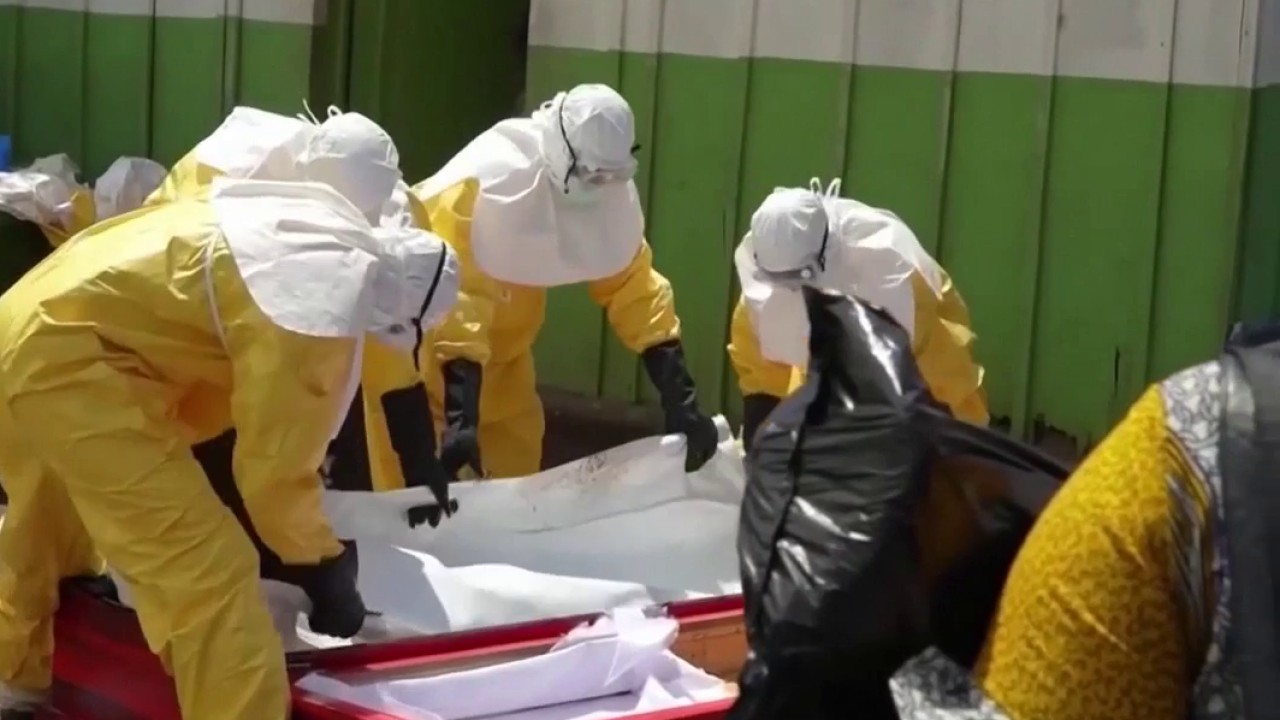
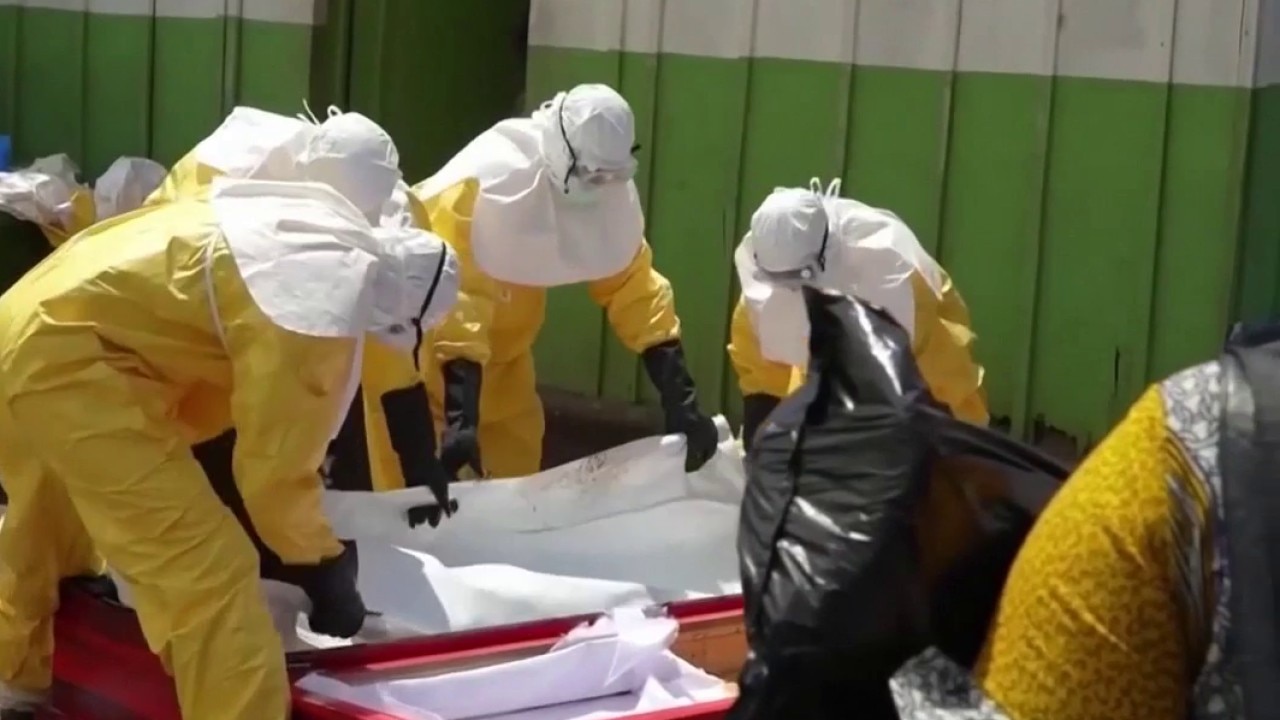
The Democratic Republic of Congo soccer team has canceled its public send-off event due to an ongoing Ebola outbreak in the country. The virus, which was first discovered in the northern region of the nation in 1976, has sickened more than 700 people and caused over 170 deaths during the current surge.
To bypass strict entry rules, the squad is currently training in Belgium and staying isolated inside a strict health bubble. Because team members are already in Europe and will not return to their home country before the tournament, health experts believe they can safely travel to the U.S.
FIFA announced it is actively monitoring the situation and communicating with the Congo DR Football Association to ensure all security and medical guidelines are strictly followed.
Outbreak travel restrictions
What we don’t know:
Neither federal officials nor the DRC Embassy have clarified exactly how many fans from the region were planning to travel to the U.S. or how many will be blocked by the strict border controls.
American screening procedures
Local perspective:
The team will initially arrive in Houston to train ahead of its first game on June 17, followed by a highly anticipated match in Atlanta on Saturday, June 27 versus Uzbekistan. Any non-citizen who has been inside the democratic republic of Congo within the last 21 days is expected to be denied entry into the U.S.
For Americans returning home from visiting the affected area, federal guidelines require them to fly specifically through Dulles International Airport in Washington to undergo rigorous medical screenings which include temperature checks and a detailed questionnaire.
Expert medical insights
What they’re saying:
Medical experts emphasize that the strict 21-day timeline is a proven window for tracking the virus. “Most of the time when someone is exposed, you rarely ever see the infection express itself beyond 21 days,” said Dr. Barney Graham at the Morehouse School of Medicine, who conducted some of the very first Ebola vaccine trials roughly 23 years ago. Graham noted that the virus requires close contact and does not transmit easily like COVID-19, adding, “Overall, I think people should feel very safe at the soccer matches.”
During a Friday news conference, the CDC reemphasized its layered health strategy. Capt. Satish Pillai, MD, of the CDC explained the federal response “is part of an overall, broader, layered public health approach, starting with exit screening, airline illness reports.” Pillai went on to say there will be subsequent decisions “based on the types of activities and where they were in transit, before any discussion, and of course, coordination with the ministries, with FIFA, and across the US government.”
The Source: The information in this story was gathered from a CDC news conference, medical statements from the Morehouse School of Medicine, and an official tournament briefing from FIFA.