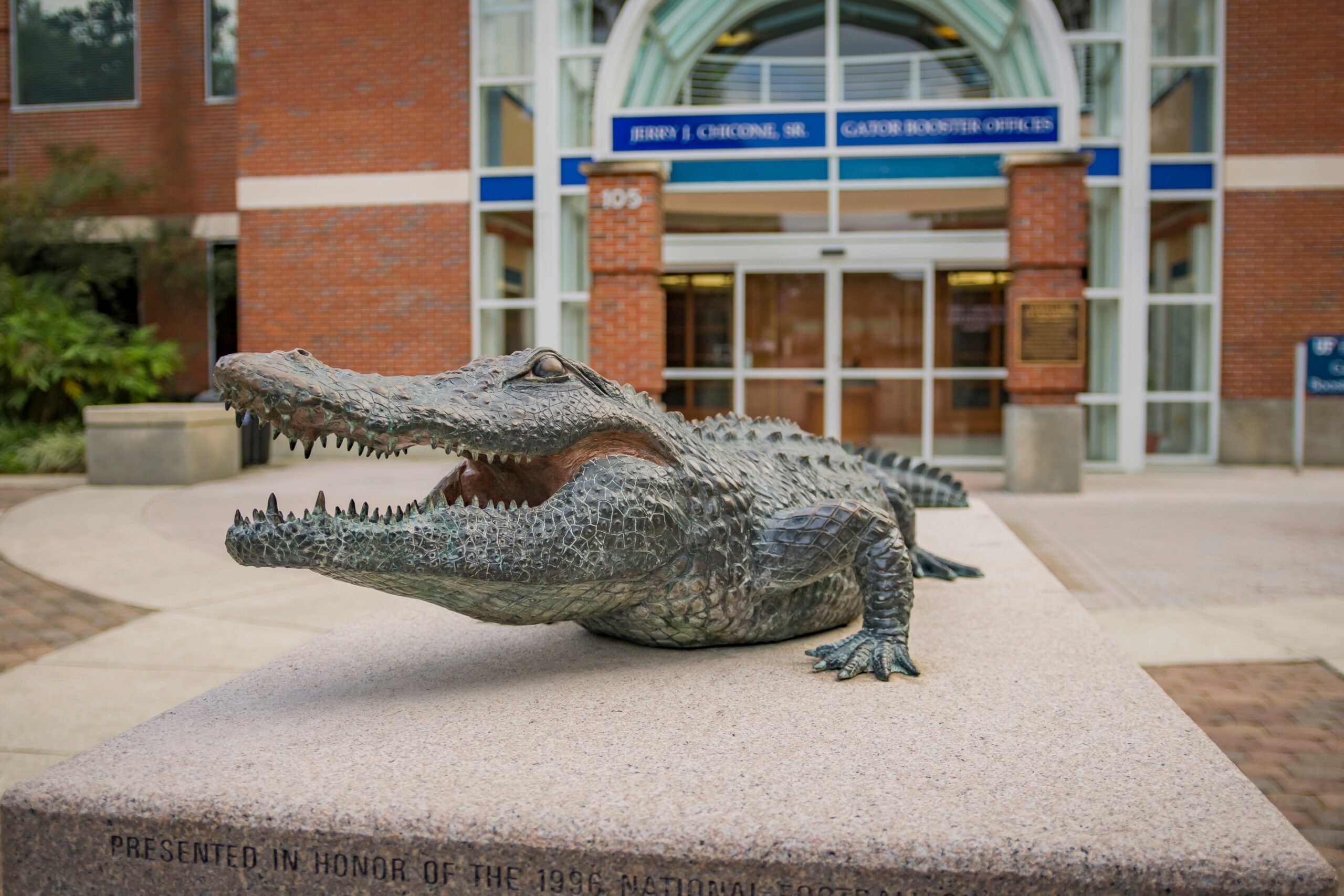
The University of Florida is primed to land more than $75 million in PECO funding based on new budget documents.
According to the document, which outlines fixed capital outlay projects that will receive funding in the state’s 2026-27 fiscal year, UF’s Norman Fixel Institute for Neurological Diseases is the biggest winner.
The institute, which houses scientists researching diseases such as Parkinson’s, Alzheimer’s and dystonia, among other disorders, is set to receive $25 million.
“Currently, The Fixel Institute is a destination for all Floridians as well as a global model for patient care, research, training, think tanks, and centers of excellence programs,” reads a funding request sponsored by Rep. John Snyder.
The request also noted Florida ranks second nationally behind California in the number of residents with Alzheimer’s and Parkinson’s disease, and asserts long-term treatment and care costs will continue rising.

Lawmakers are giving UF’s neurology researchers more to smile about with another $20 million set-aside for “Advanced Brain Research and Innovation.”
The initiative is designed to expand UF’s artificial intelligence-driven neuroscience and brain health research efforts by retrofitting existing facilities and recruiting researchers working at the intersection of medicine, brain health and machine learning. A funding request sponsored by Senate President-designate Jim Boyd describes the effort as helping build “the next generation of medicine.”
“In addition to cutting edge research, the program will develop new strategies to treat brain afflictions and diseases using the latest advancements in AI. The University of Florida will incorporate the many resources on hand, including students, faculty, and partnerships with other state institutions,” the funding request reads.
Also at the $20 million level: UF’s Dental Sciences Building.
An outlay request filed last year by Rep. Chuck Brannan sought $47.5 million to upgrade the College of Dentistry’s existing facilities, including clinical teaching areas, simulation labs, classrooms, faculty practice clinics, research space and parking garages. The request states the current Dental Sciences Building “does not meet the needs of the College” and argues the College “needs new space” to “continue to rise in the rankings nationally.”

UF did have a pair of misses, however, with the PECO list omitting funding for campus infrastructure enhancements and $5.5 million for a new building to house the Tropical Research Center Plant Pathology Clinic and Tissue Lab.
Per a funding request sponsored by Rep. David Borrero, the TREC Clinic has been “in continuous operation since 1938” and needs a new building “to continue to serve the growers of the tropical fruits, vegetables and ornamental plants that represent a continuously expanding segment of Florida’s economy.”
The infrastructure snub, meanwhile, comes after Sen. Jason Brodeur and Rep. Wyman Duggan submitted requests for $100 million to cover a laundry list of improvements to UF’s main campus in Gainesville. The request forms don’t dive into specifics, but note UF’s to-do list includes improvements to “storm water, waste water, electric, heating, and telecommunications services to various facilities.”
Leaders say they can still finish before the end of May, but it could be close. A budget memo from House Speaker Daniel Perez has House Budget Chair Lawrence McClure and Senate Appropriations Chair Ed Hooper meeting at 8 a.m. Tuesday to hold talks “until completion.”
If the budget hits desks that day, it starts the constitutionally required 72-hour cooling-off period, teeing up a House floor vote Friday, May 29, with the Senate to follow before Sine Die — with a month to spare before the July 1 fiscal year.
It would be the second straight year of a drawn-out budget; last year’s wasn’t passed until June 16.